Climate change is one of the greatest challenges facing our planet today. It refers to long-term changes in the Earth’s temperature, weather patterns, and climate systems. While climate change can occur naturally, human activities—especially the burning of fossil fuels, deforestation, and industrial pollution—have significantly accelerated global warming.
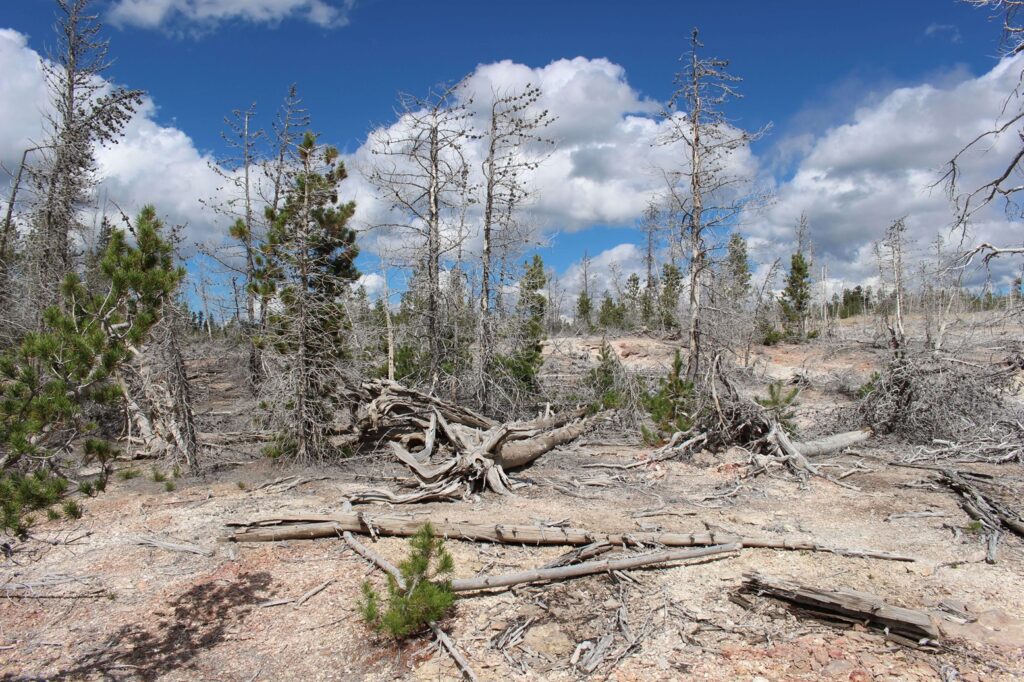
The effects of climate change are already being felt around the world. Rising temperatures are contributing to more frequent and intense heatwaves, droughts, floods, storms, and wildfires. Glaciers and polar ice are melting, causing sea levels to rise and threatening communities located near coastlines. Changes in rainfall patterns are also affecting agriculture, making it more difficult for farmers to produce enough food in many regions.
Climate change also has serious consequences for people and communities. Extreme weather events can destroy homes, infrastructure, crops, and livelihoods. Vulnerable communities often experience the greatest impacts despite contributing the least to global greenhouse-gas emissions. Climate change can also affect access to clean water, food security, public health, and economic stability.
Nature is facing enormous pressure as well. Rising temperatures and changing ecosystems threaten forests, wildlife, oceans, and biodiversity. Many plants and animals struggle to adapt when environmental conditions change too quickly. Protecting natural ecosystems is therefore an important part of addressing the climate crisis.
The good news is that solutions are available. Governments, businesses, communities, and individuals can work together to reduce greenhouse-gas emissions and build a more sustainable future. Expanding renewable energy such as solar and wind power, improving energy efficiency, protecting forests, restoring degraded ecosystems, developing sustainable transportation, and reducing waste can all contribute to climate action.
Adaptation is equally important. Communities need to prepare for the climate impacts that are already occurring by improving infrastructure, strengthening early-warning systems, protecting water supplies, supporting climate-resilient agriculture, and restoring natural barriers such as wetlands and mangroves.
Every action matters. Individuals can contribute by conserving energy, reducing unnecessary consumption, using sustainable transportation where possible, protecting nature, reducing waste, and supporting organizations and policies that promote climate solutions. However, lasting change also requires strong leadership, investment, innovation, and cooperation at national and international levels.
Climate change is not only an environmental issue—it is a human issue. The choices we make today will influence the kind of world future generations inherit. By acting together, we can reduce the risks of climate change, protect vulnerable communities, restore nature, and create a healthier and more sustainable planet.